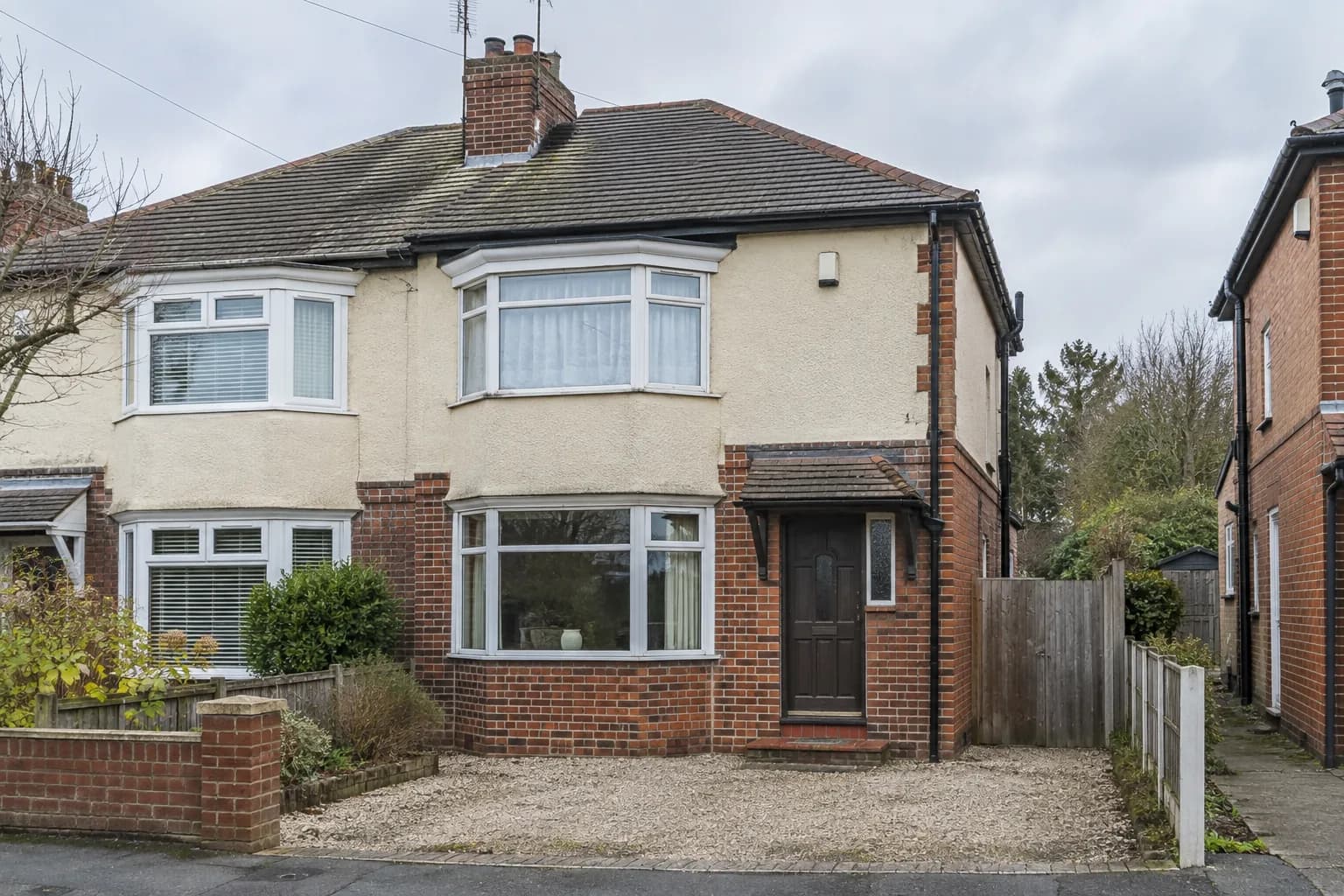
Inspect the pack buyers see before you run your own scan.
This is the real Deal Pack surface in sample mode. Switch cases to see how the same verdict, maths, evidence, risks, and next move hold up across BTL, BRR, flip, HMO, and walk-away deals.
Inspect it like a buyer would.
The full sample is long on purpose, but the first judgment is simple: can someone understand the case, challenge the assumptions, and see what still needs proving?
Read the verdict first
The pack should say whether the deal is worth time, not just show a flattering yield.
Check proof labels
Observed, estimated, missing, and external-check items are kept separate so weak evidence stays visible.
Look for the next move
A useful pack should end with the action to take next: view, call, offer, strengthen proof, or walk away.
Trade flip with timing risk


Supporting scoresReadiness model, opportunity pressure, and offer-read score.Show detailHide detail
- No direct probate confirmation is established from the listing alone.
- No stronger motivation signal has been evidenced yet.
- Vendor timeline, occupancy status, and competing interest still need confirming.
- dated kitchen spec (medium)
- bathroom and finish scope (medium)
- Inspect the front elevation and roofline before locking the contractor budget.
- Validate kitchen and bathroom quote range with at least two traders.
- Pressure-test the resale case against live competing stock, not just older sold evidence.
- Inspect the front elevation and roofline before locking the contractor budget.
- Validate kitchen and bathroom quote range with at least two traders.
- Pressure-test the resale case against live competing stock, not just older sold evidence.
- Front elevation repairs may be required after inspection.
- Thermal upgrades may be needed if the exit buyer pool is more selective on EPC and presentation.
- Flip margin compresses quickly if exit slips by even one quarter.
- Presentation-heavy spec can overrun if contractor scope is not locked before exchange.
- Resale demand should be checked against live competing stock before pricing the exit.


- Resale-first layout
- Do not force densification
- Validate current resale comparables and live competing stock before assuming the GDV holds.
- Quote the works as a fixed specification with contingency, not a vague presentation budget.
- Model carry, utilities, council tax, and sales friction if the exit slips beyond the base timeline.
- Keep the entry sensible; this is not deep-value enough to absorb sloppy execution.

- Discount to local sold median with adequate sample depth
- Family-sized three-bed layout supports resilient tenant demand
- Cosmetic refurb scope rather than structural repositioning
- Offer ceiling and walk-away line are already modelled
- Inspect the front elevation and roofline before locking the contractor budget.
- Validate kitchen and bathroom quote range with at least two traders.
- Pressure-test the resale case against live competing stock, not just older sold evidence.
- Resale-first layout
- Front elevation repairs may be required after inspection.
- Thermal upgrades may be needed if the exit buyer pool is more selective on EPC and presentation.
- Flip margin compresses quickly if exit slips by even one quarter.
- Presentation-heavy spec can overrun if contractor scope is not locked before exchange.
- Resale demand should be checked against live competing stock before pricing the exit.
- What feedback has the branch had from recent viewings or prior marketing on price and presentation?
- Any known issues with roofing, elevations, drainage, or damp that could move the capex budget materially?
- Has the property been let or owner-occupied, and are there any service records for kitchen, bathrooms, boiler, or electrics?
- What buyer profile has the agent seen in this micro-location over the last six months?
- Any chain or timing pressure that would support a clean trader entry?
- 1) Prove the exit before committing to the tradePull current resale evidence and live competing stock so the GDV is defended against the market you are selling into, not the market you hope for.
- 2) Quote the works as a fixed scopeKitchen, bathrooms, flooring, decoration, and elevation touch-ups should be costed before the 217k entry is tightened.
- 3) Price the carry, not just the headline marginAn eight-week slip meaningfully degrades the trade, so finance, council tax, utilities, and sales friction all need to be in the model.
- 4) Keep the hold fallback honestIf the exit market softens, the property still needs a viable carry posture rather than becoming a forced sale.
The sample separates evidence from assumption.
The point is not to make every deal look exciting. It is to show what is observed, estimated, missing, and still needs checking.
Decision posture
This is only attractive if the buyer protects entry and treats timing control as part of the edge.
Proof view
Margin exists, but it is fragile. Slippage in works, exit value, or timeline erodes the trade quickly.
Next move
Underwrite margin conservatively, cap works creep early, and demand a clean exit rationale before offering.
Use the same pack standard across hold, BRR, flip, HMO, and walk-away cases.
Run free preview scanRun this standard on your own area.
The preview scan shows the ranked queue first. Full Deal Packs open after the trial starts.
Run free preview scan

